Native Habitat Design & Restoration

Your vision, rooted in what was always here

We merge what you want your land to be with what it once was. Every design starts with the native ecology of your site and your vision for it. If it's not native, it's not us.

See what native looks like

Every project starts with the land and the people on it. Here's a look at two properties we're working on — from first visit to planting plan.
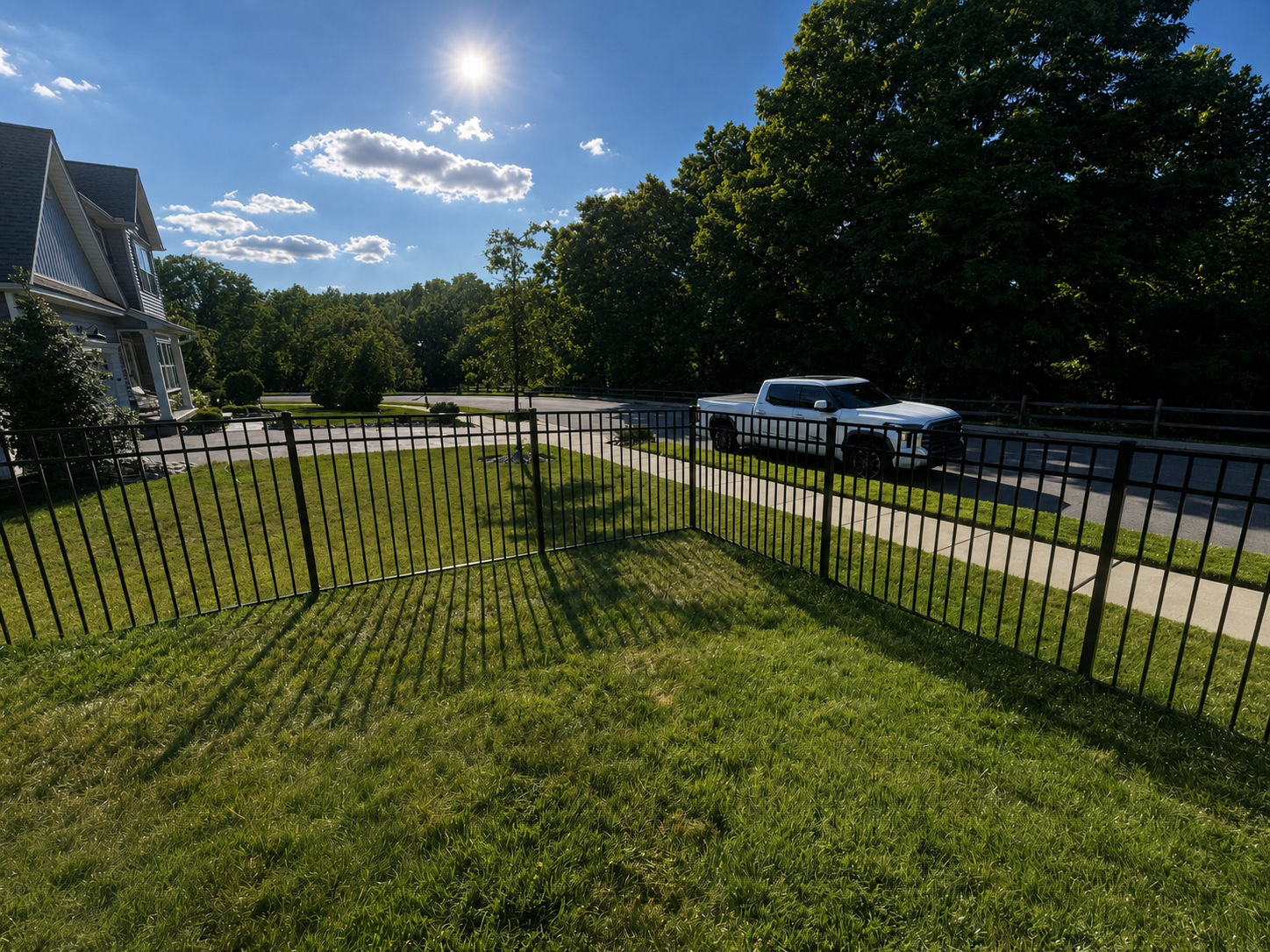
Empty grass corner of a fenced yard — before planting Before
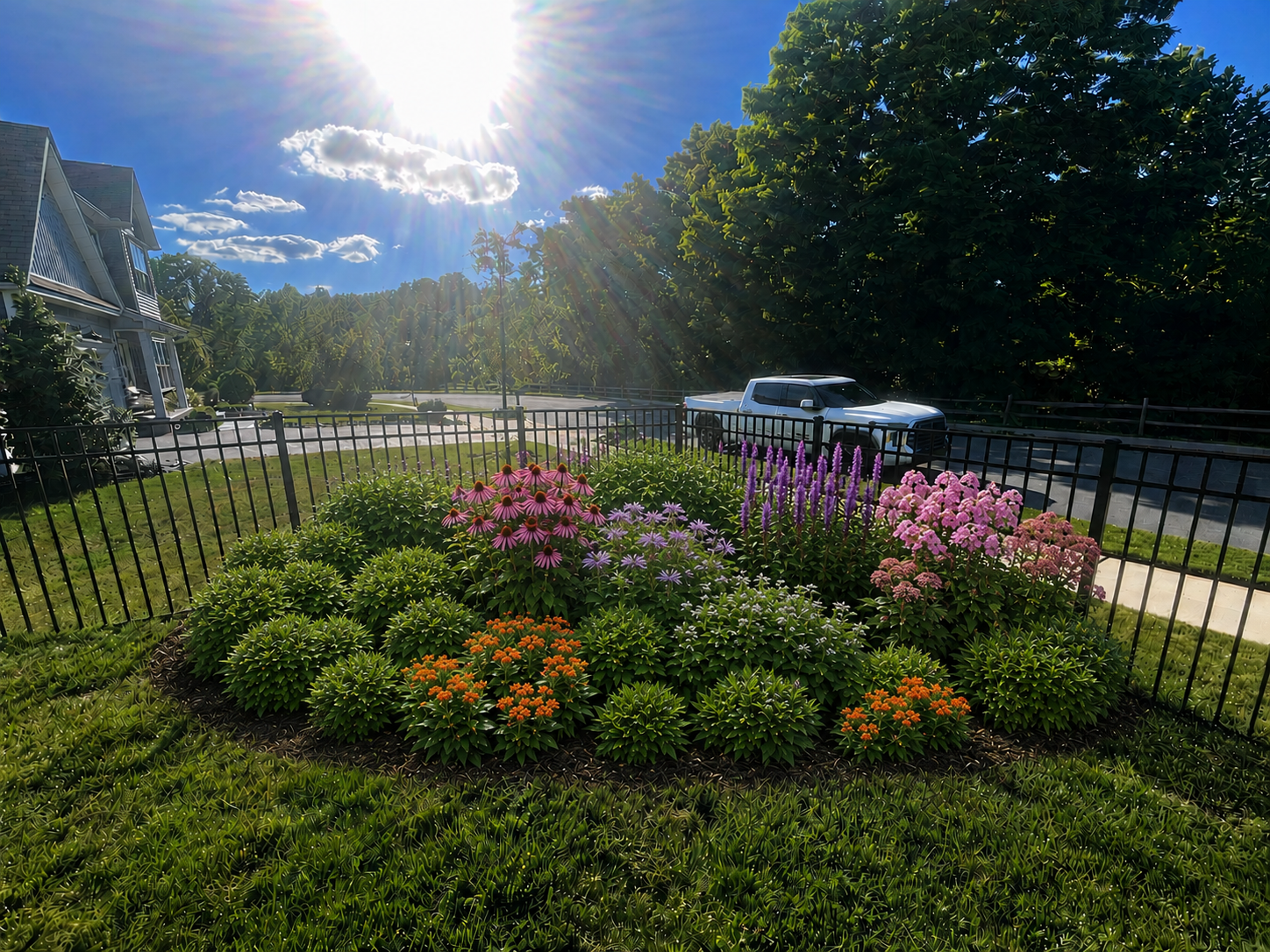
The same corner visualized at peak summer bloom with butterfly milkweed, bee balm, and blazing star Design — Summer
Pollinator Garden

The Mortaguas

Coopersburg, PA

An unused grass corner in a fenced backyard, transformed into a native pollinator bed with continuous bloom from April through October. Fifteen species in three tiers — tall baptisia and asters at the back, bee balm and blazing star in the middle, butterfly weed and moss phlox along the front edge. Both milkweed species placed for monarch hosting across the bed.

15 Native Species Full Sun Monarch Habitat Apr–Oct Bloom
View Full Planting Guide
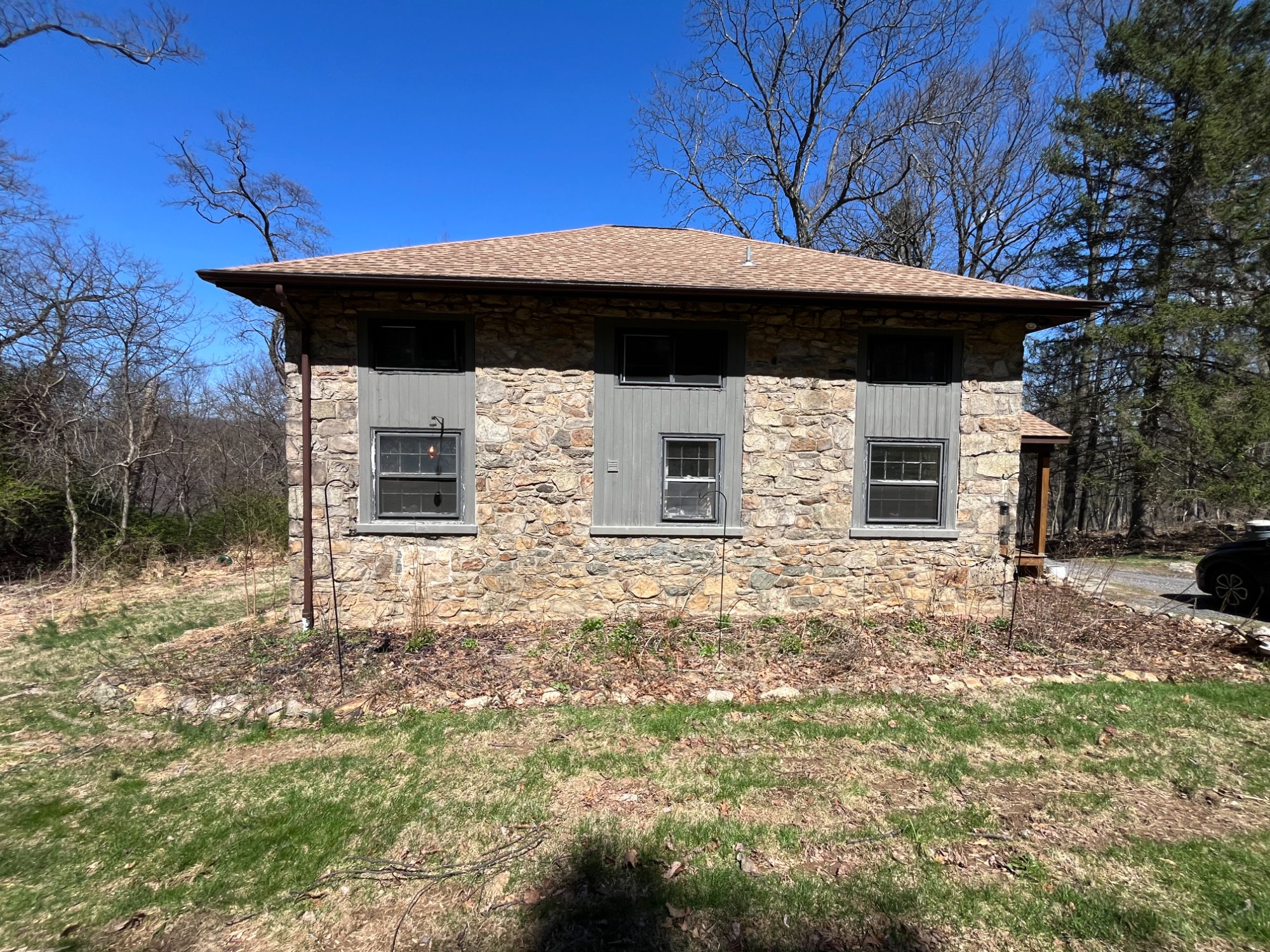
1901 stone schoolhouse with bare beds and cleared ground — before restoration The Property
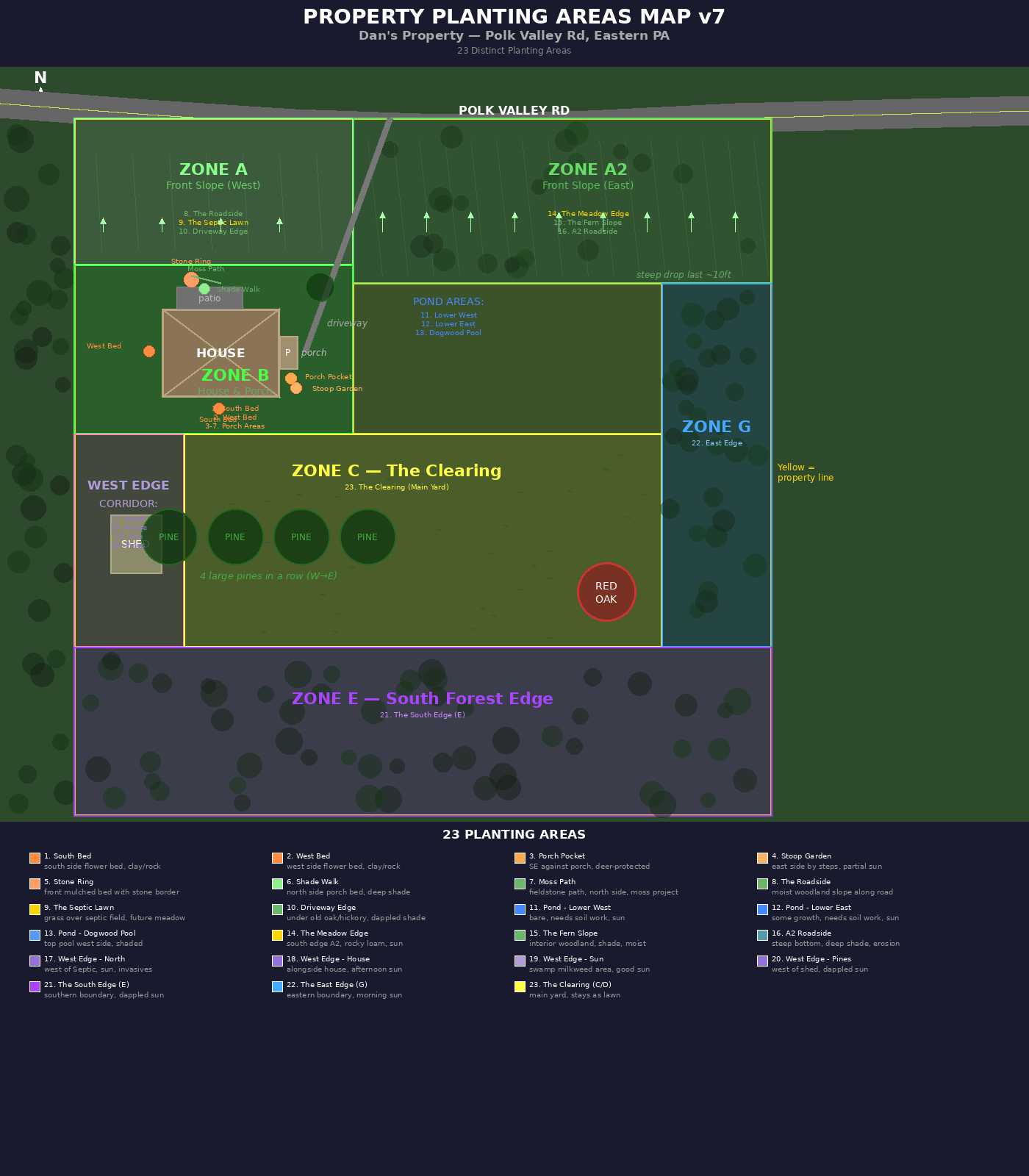
Property planting areas map showing 23 distinct zones across the one-acre property 23 Planting Areas
Full Property Restoration

Polk Valley Schoolhouse

Polk Valley, PA · Our Flagship Property

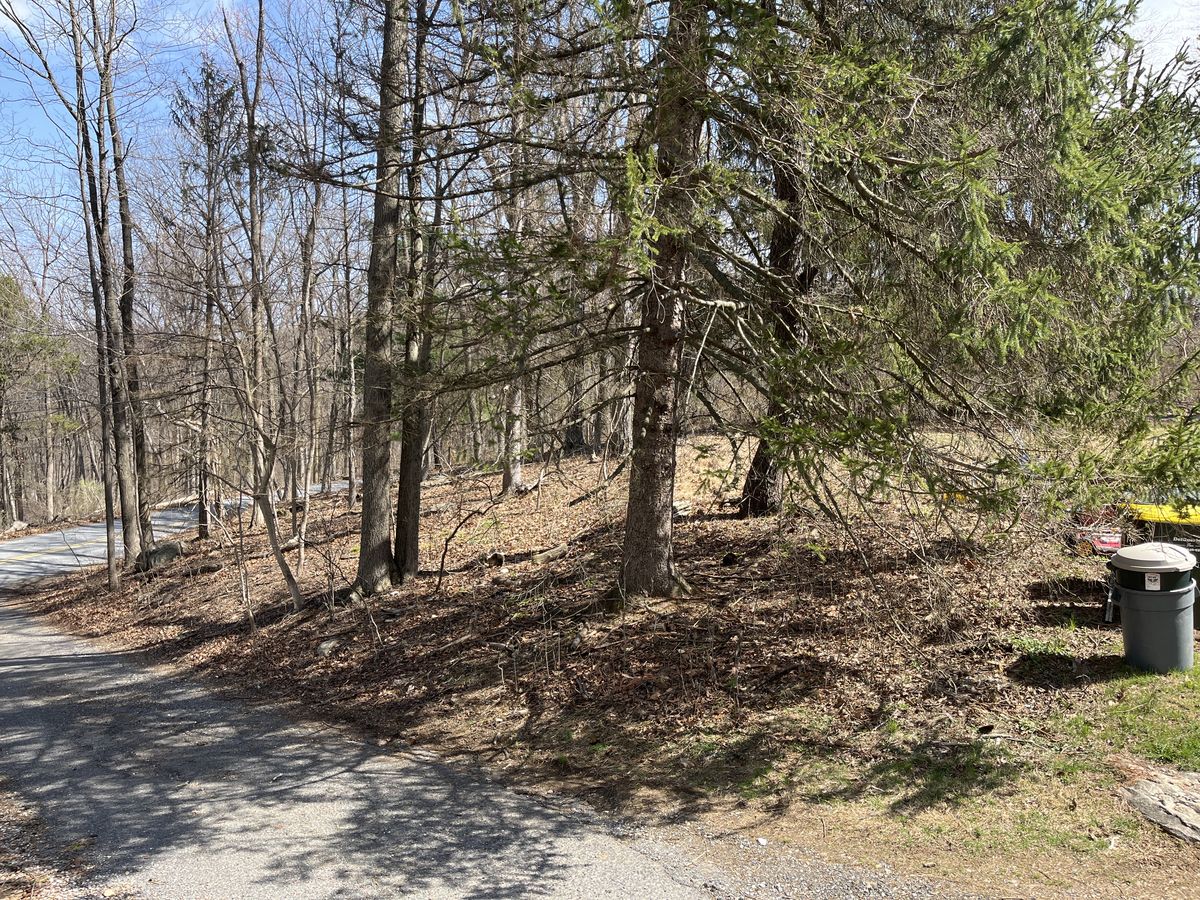
A 1-acre property built around an 1901 stone schoolhouse, on the north slope of a mountain that was clear-cut over a century ago. We mapped 23 distinct planting areas across the property — woodland slopes, forest edges, pond margins, and sun beds — each with its own soil, light, and deer-pressure conditions. Invasive removal and native replanting are ongoing across every zone.

23 Planting Areas 36 Native Species Invasive Removal Multi-Year Plan
View Full Planting Guide

Every landscape begins with listening

Our process is collaborative, site-specific, and designed to make the journey from idea to living landscape feel clear, guided, and inspired.

01

Conversation & Site Walk

It starts with you reaching out and sharing a bit about your property, your goals, and the kind of help you're looking for. From there, we visit the site together — reading the land, understanding the conditions, and talking through what you want the space to feel like. Light, moisture, slope, invasive pressure, existing plantings — we take it all in alongside your vision for the space.

03

Installation & Stewardship

The project comes to life — planting, clearing invasives, restoring overgrown areas, or building out the plan in thoughtful phases. But landscapes are living systems, not finished products. We provide follow-up guidance, stewardship recommendations, and the long-term thinking that helps your landscape deepen and mature over the years.

"We begin by understanding the land, your goals, and the character of the space. From there, we develop a clear design direction, help you visualize the possibilities, and create a path toward a more beautiful, place-rooted landscape."

Working with nature, not against it

Native plants evolved in this region over millions of years. That's not just an ecological fact — it's the reason they outperform everything else in your yard.

Built to Last

Native plants survive our harshest winters and driest summers because they evolved right here. Non-native ornamentals can die in extreme weather — and your investment dies with them.

Low Maintenance

No irrigation systems, no babying through droughts, no winter prep rituals. Native plants know what to do here. You plant them and they handle the rest.

Cost Effective

Native plants are often less expensive than non-native cultivars, and because they don't need replacing after a bad season, they save you money year after year.

No Chemicals Needed

Native plants have natural resistance to local pests and diseases. No pesticides, no synthetic fertilizers — better for your family, your pets, and the soil.

Pollinator Support

Native plants are the only ones our local pollinators evolved to use. They provide the nectar, pollen, and host-plant relationships that bees, butterflies, and beneficial insects depend on.

A Living Landscape

Because native plants attract pollinators, you don't just get a beautiful yard — you get to watch monarchs, swallowtails, and hummingbirds visit your property every day. It's a whole other layer of enjoyment.

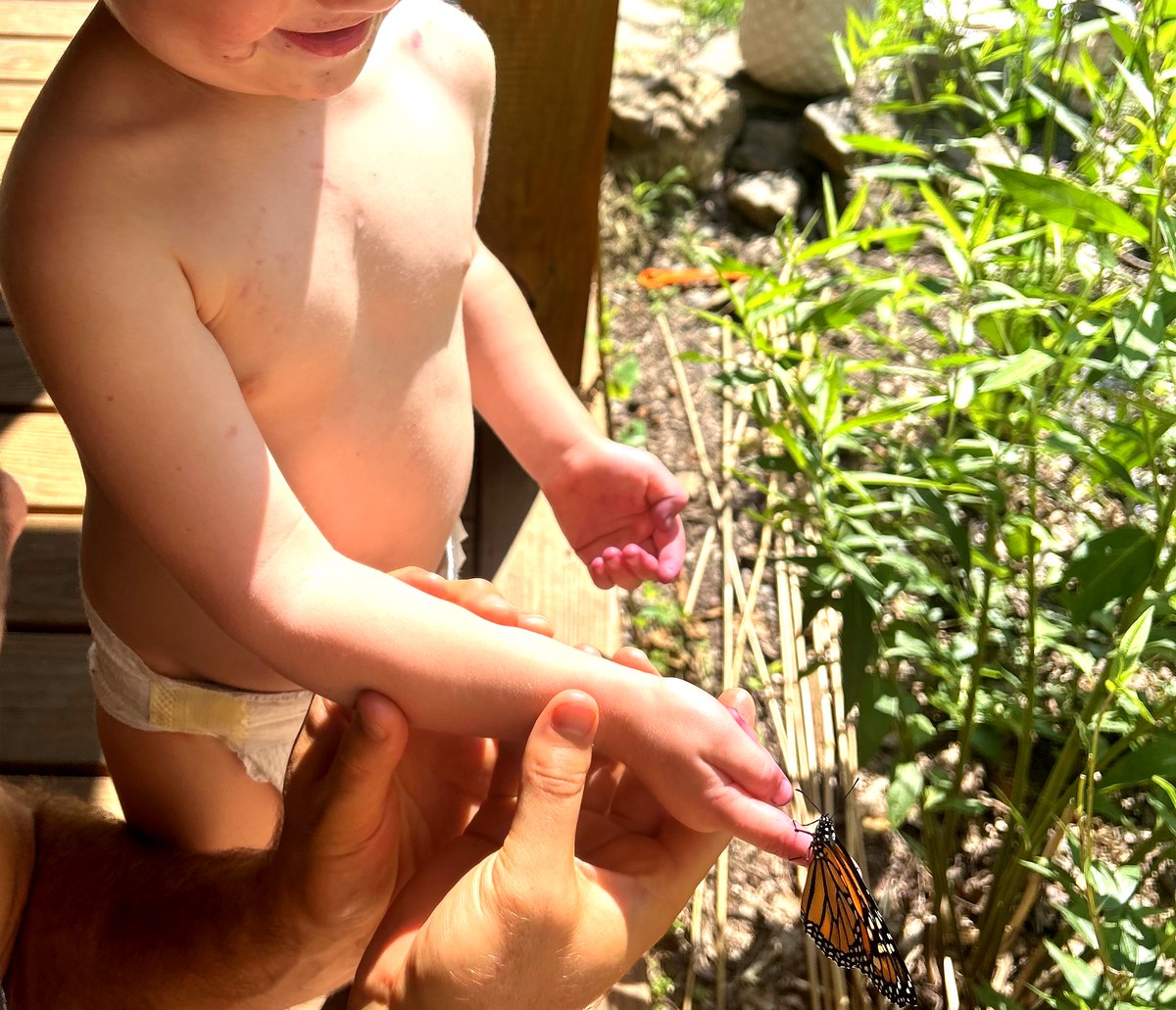
A child holding a freshly hatched Monarch butterfly on a summer day

This is how it started for me. I planted milkweed at my 1901 schoolhouse in eastern Pennsylvania to help Monarchs. What I got back was something I wasn't prepared for — caterpillars showing up, forming chrysalises, and one morning a Monarch hatching right there on my property. The first time you see it happen, it changes the way you think about your land. Now chrysalises hang all over our property every summer, and I get to share that with my kids.

That experience became Polk Valley Habitat Design. Native isn't a compromise — it's how you get a landscape that's both stunning and alive.

Based In Eastern Pennsylvania
Focus Native Habitat Restoration

Let's talk about your landscape

Whether you have a specific project in mind or just want to explore what's possible on your property, we'd love to hear from you. Every great landscape starts with a conversation.

Phone
Service Area
Serving the greater Lehigh Valley area

Send us a message

We'll get back to you within one business day.